


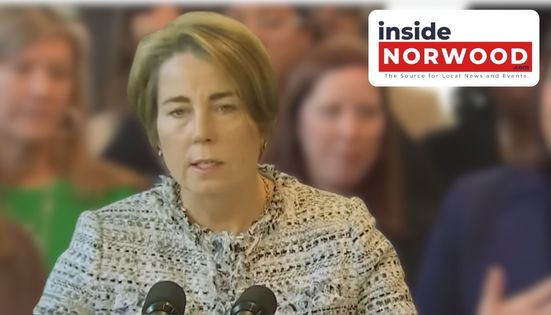
NORWOOD – Governor Healey held a press conference today to announce the funds needed to maintain SNAP program will run out because of the government shutdown. Supplemental Nutrition Assistance Program (SNAP) is a federally funded program, formerly known as Food Stamps, that provides monthly financial assistance to eligible low-income residents so they can purchase food. During the current federal government shutdown, certain government functions like financial assistance are being halted, which will disrupt essential services like SNAP. She calls president trump’s decision not to release those funds cruel and calculated.
Maura Healey called on the Trump administration to release money from a contingency fund that is designed to ensure that critical services, such as disaster response, emergency medical care, and food assistance, continue uninterrupted. The contingency fund is typically overseen by the Department of Homeland Security and the Federal Emergency Management Agency (FEMA). Healy’s argument is that these funds will be necessary to provide SNAP benefits to those in need, regardless of the shutdown.
During the press briefing today, Governor Healey claims one million Massachusetts residents rely on snap benefits to survive. According to a 2023 Massachusetts Department of Transitional Assistance Office of Business and Policy Analytics report, there are 2,218 SNAP recipients in Norwood who may face a significant strain on their household budgets beginning next week. Many families will see their monthly food budget shrink dramatically which may strain local food pantries and community resources who are bracing for an expected surge in demand.
Inside Norwood wanted to share several of these food assistance and social service organizations that may be available to bridge the gap.
Norwood Food Pantry: The primary local food resource is the Ecumenical Community Food Pantry of Norwood, Inc. and serves residents of Norwood and Westwood, offering emergency groceries. Located at 150 Chapel St. (at Grace Episcopal Church) and typically open Saturday mornings. Residents facing immediate need can call (781) 291-3663 for additional hours, client registration requirements, and emergency information.
Project Bread’s FoodSource Hotline: This is a vital, free, and confidential statewide resource where counselors can help Norwood residents find local food pantries, meal sites, and navigate local programs like WIC (Women, Infants, and Children). Contact: 1-800-645-8333.
Norwood Council on Aging & Senior Center: Provides support and potential referrals for Norwood’s senior population, including programs like Meals on Wheels. Contact: (781) 762-1201.
Mass 2-1-1: Connects callers to information about critical health and human services available in the community, including food, housing, and utility assistance programs. Available 24/7.
Self Help, Inc: A regional organization that offers a range of services including fuel assistance, Head Start, and help with SNAP application and eligibility. Contact: (508) 588-0447 or visit them for regional resources.
Residents whose SNAP benefits have been impacted should still contact the Department of Transitional Assistance (DTA) at (877) 382-2363 and they can process applications and recertifications.
There are several ways members of the Norwood community can assist their neighbors in need during this time.
Financial Donations: Monetary gifts are often the most flexible and efficient way to help, allowing food pantries to purchase specific items that are running low, buy in bulk at lower costs, and even pay for essential operating expenses. Consider donating directly to the Norwood Food Pantry by visiting this website: https://www.norwoodpantry.org/donate-food
Food Drives: Non-perishable food items are always needed. Check the Norwood Food Pantry website for their most current needs list, but staples often include canned goods (tuna, soup, vegetables, fruit), boxed pasta and rice mixes, peanut butter and jelly and cereal and oatmeal products.
Volunteer Your Time: Local pantries, soup kitchens and assistance programs rely heavily on volunteers to sort food, stock shelves, assist clients, and help with administrative tasks.
Support Statewide Efforts: Organizations like the United Way of Mass Bay have urged the public to support the statewide anti-hunger response, like the United Response Fund, which will direct aid to local non-profits facing increased demand. Visit https://unitedwaymassbay.org/get-involved/volunteer-and-lead for more information.
The coming weeks and months will test the community spirit of Norwood. As the lifeline of enhanced federal aid retracts, the strength of the local safety net—powered by dedicated volunteers, staff, and generous neighbors—will be more crucial than ever in ensuring no resident goes hungry. -RD