


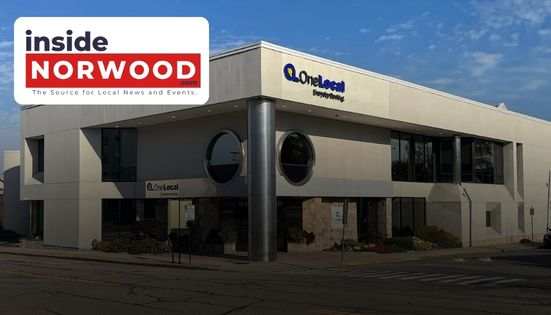
NORWOOD – Local authorities and bank officials are urging the public to remain vigilant this week following reports of a sophisticated “spoofing” scam targeting customers of OneLocal Bank.
According to a public alert shared by Norwood Police, scammers are spoofing the bank’s phone number to make it appear as though calls are coming directly from OneLocal Bank. During these calls, individuals are asked to “verify” sensitive banking information. In some reported cases, victims are then directed to log into fraudulent websites designed to capture usernames, passwords, and other personal data.
Both police and bank officials stress that these calls are not legitimate.
“OneLocal Bank’s fraud department will not call customers and ask them to verify personal or account information over the phone,” the department stated in its alert, emphasizing a key red flag residents should recognize.
The bank echoed that message in a notice posted to its website, noting that some business customers have also been targeted. Officials warned that any unsolicited request to confirm banking details or log into an unfamiliar website should be treated as suspicious.
OneLocal Bank President and CEO John P. Galvani told Inside Norwood the issue reflects a broader trend across the financial industry.
“Fraud is on the rise across the banking industry—fraudsters commonly impersonate banks, which is why it’s important for customers to be aware of common scams and how to protect themselves,” Galvani said. “Your bank already has your account-related information and will not ask you to share this,” Galvani added.
Galvani outlined several common warning signs customers should watch for, including requests for account or login information, aggressive or threatening language, and messages that create a false sense of urgency. Scammers may also pressure individuals to make immediate payments or click on suspicious links.
“Scammers are most likely getting phone numbers from publicly available sources,” Galvani stated, adding that the bank is monitoring the situation closely. He identified several red flags that should immediately signal a fraudulent attempt, including the use of aggressive or threatening language, the creation of a false sense of urgency, and pressure to make a payment or visit a specific link.
Residents are encouraged to take simple but critical precautions, including refusing to share personal or banking information with unsolicited callers, avoiding unfamiliar links or websites, and trusting their instincts if something feels off.
Anyone who receives a suspicious call is advised to hang up immediately and contact OneLocal Bank directly at 781-762-1800 to verify the communication. Incidents can also be reported to the Norwood Police Department at 781-550-4100.
As fraud tactics continue to evolve, officials say awareness remains the strongest defense.
“This is exactly the type of scam that relies on catching people off guard,” Galvani said. “We encourage our customers to call us directly if they are ever suspicious of a communication they receive.” -RD
